Favorite Photojournalists.
 Posted by R. Diven Journalism 320 Fall 2025
1900-1930: Lewis Wickes Hine. I came to Hine through his photos of children working in the mills in North Carolina as part of his work with The National Child Labor Committee. He has a dramatic set of vanishing horizontal lines between the rows of equipment and the windows between which stand these small girls, not at work but standing bolt upright, happy, it seems, even proud, to be photographed at these dangerous and demanding jobs.
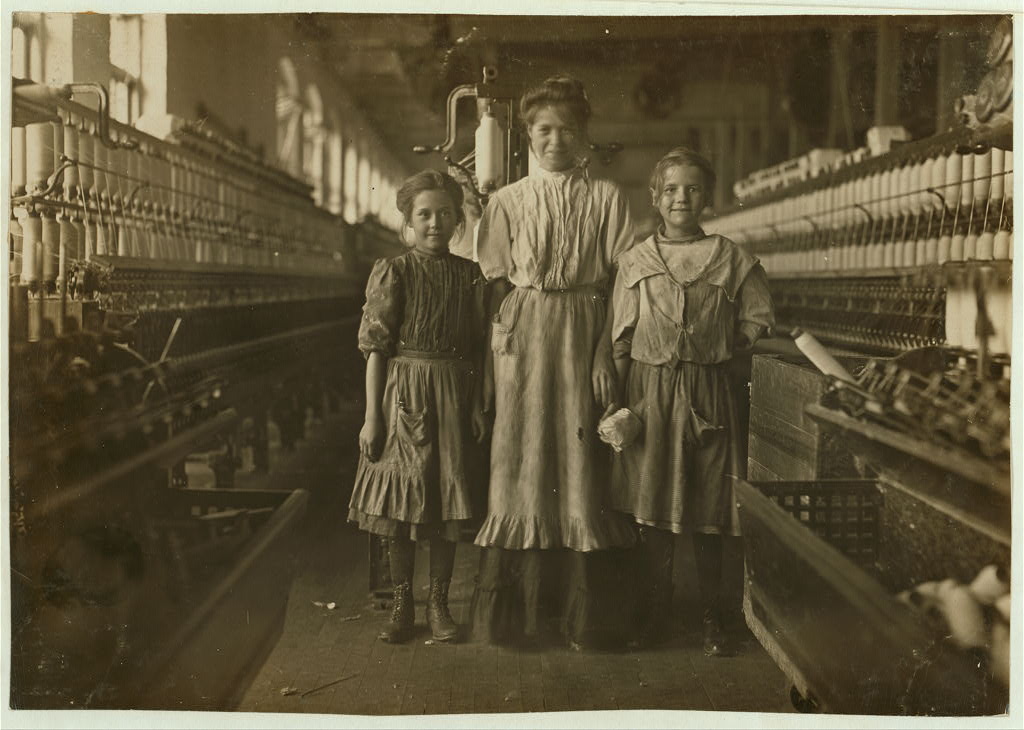
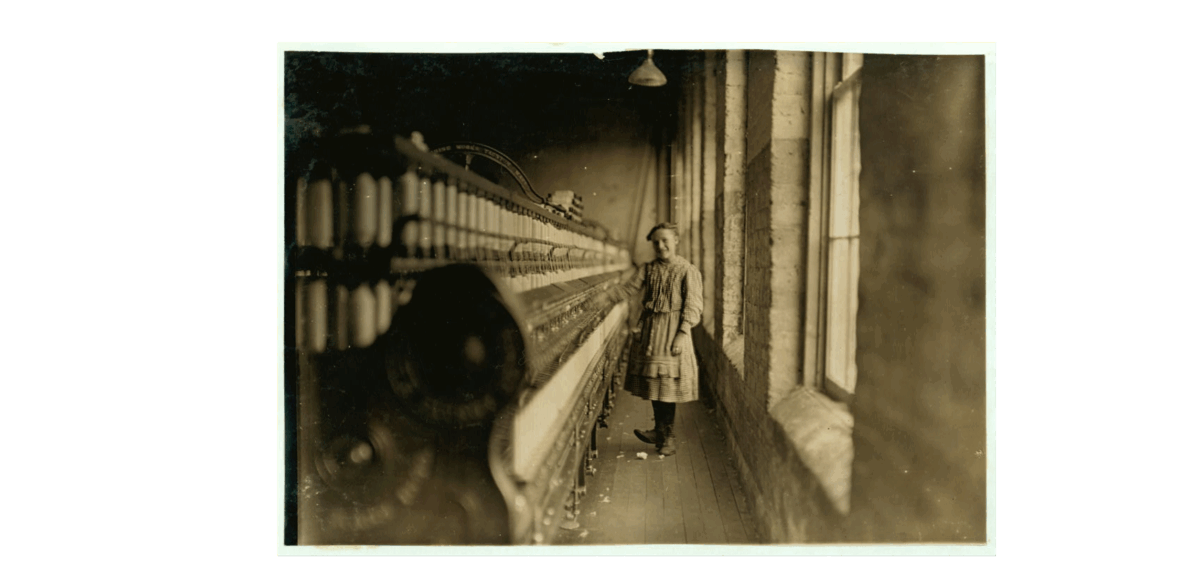
(Left) Rhodes Mfg. Co., Lincolnton, N.C. National Child Labor Committee. No. 282. Girl on left said she was 10 years old and been in mill a long time more than a year. Spinner girl on right said she was 12 years. (Right) 1908 Rhodes Mfg. Co., Lincolnton, N.C. Spinner.
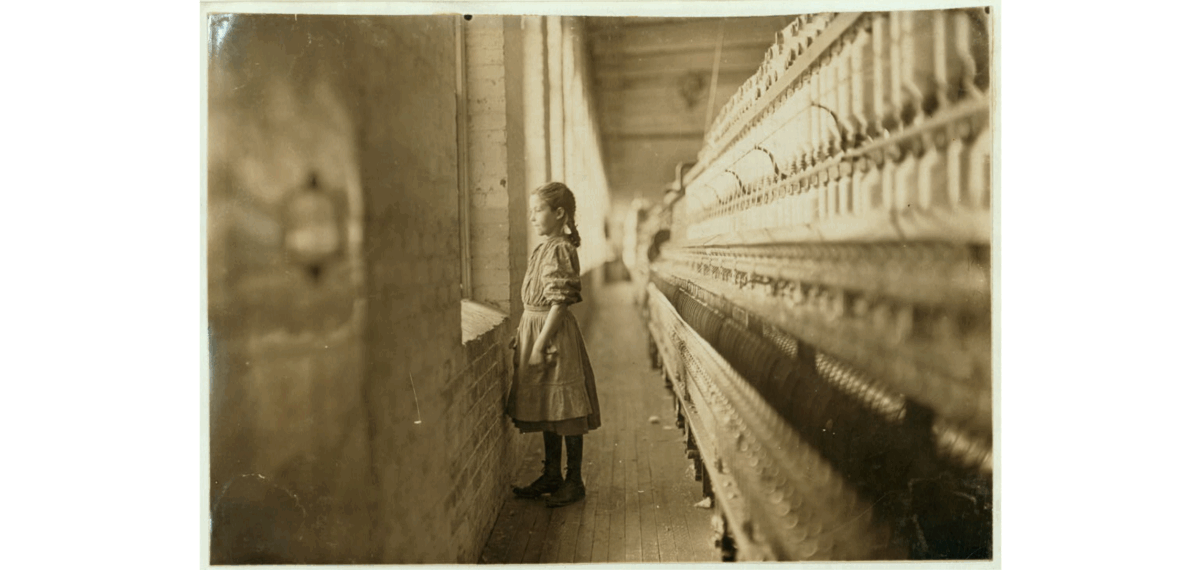
1908 Spinner in Daniels Mfg. Co., Lincolnton, N.C.
My favorite. In this scene he has found a dramatic set of vanishing horizontal lines between the rows of equipment and the windows before which this young girl stands, looking out. You can sense a bit of stage direction here, but then there is the natural arrow formed by the light on the windowsill pointing the girl back to her work. A vision of two worlds: that of a child as if ready to run and join her playmates outside and the infinite and ceaseless machine behind her that owns her labor.
1940-1950’s: Margaret Bourke White. This was an era of great news photography, and I could have picked a dozen shooters who captured iconic images, but there is a certain majesty in White’s work, sometimes literally monumental, that makes her intimate work all the more potent. Shooting large format, her pictures have depth of tone and demands our attention. And, I found it interesting that she built her reputation as an industrial photographer in steel mills!
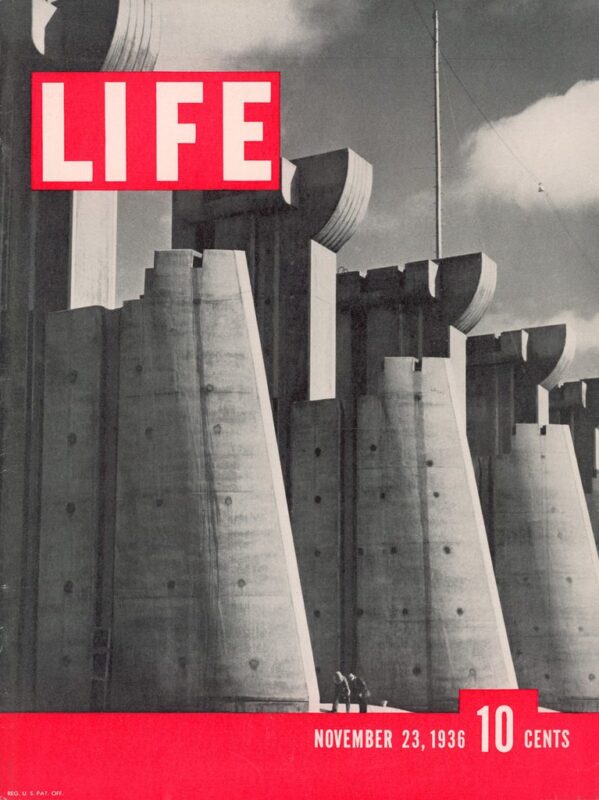
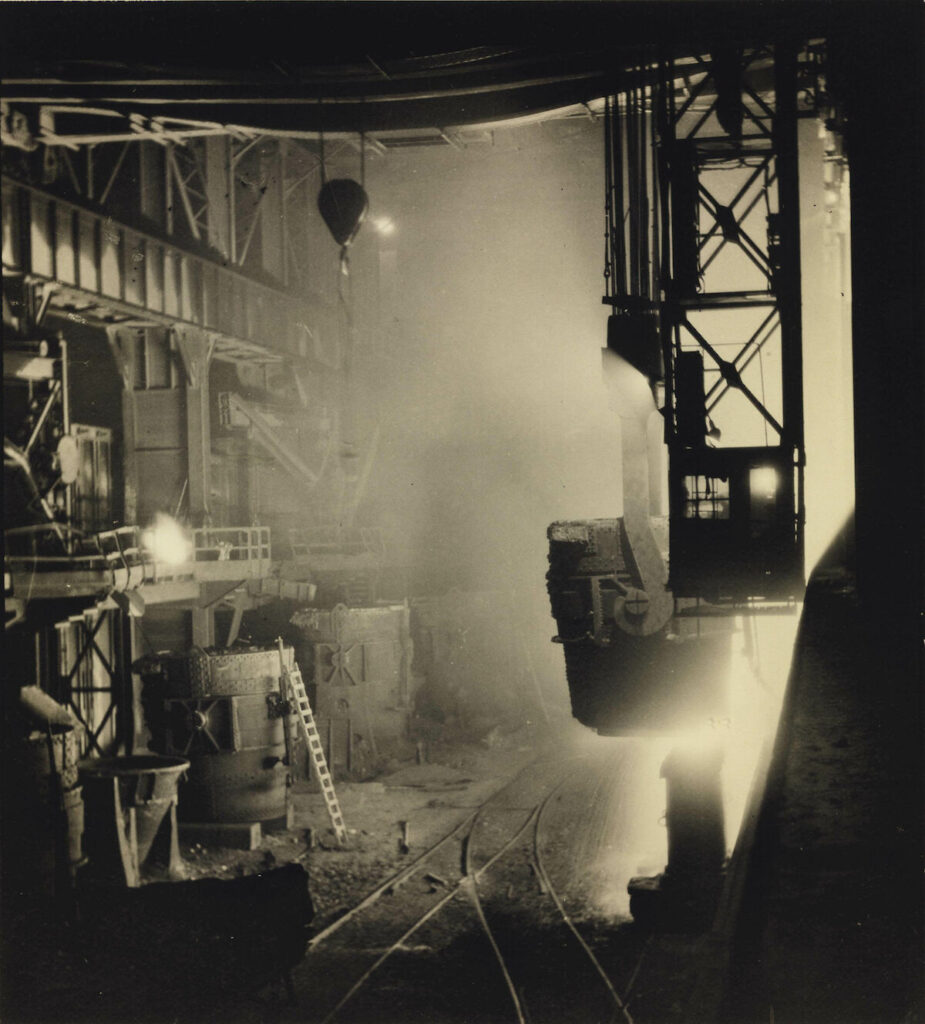
(Left) The first LIFE magazine cover, published November 23, 1936. Featuring Ft. Peck Dam in Montana. (Right) Ladle B, Otis Steel Mill, Cleveland.
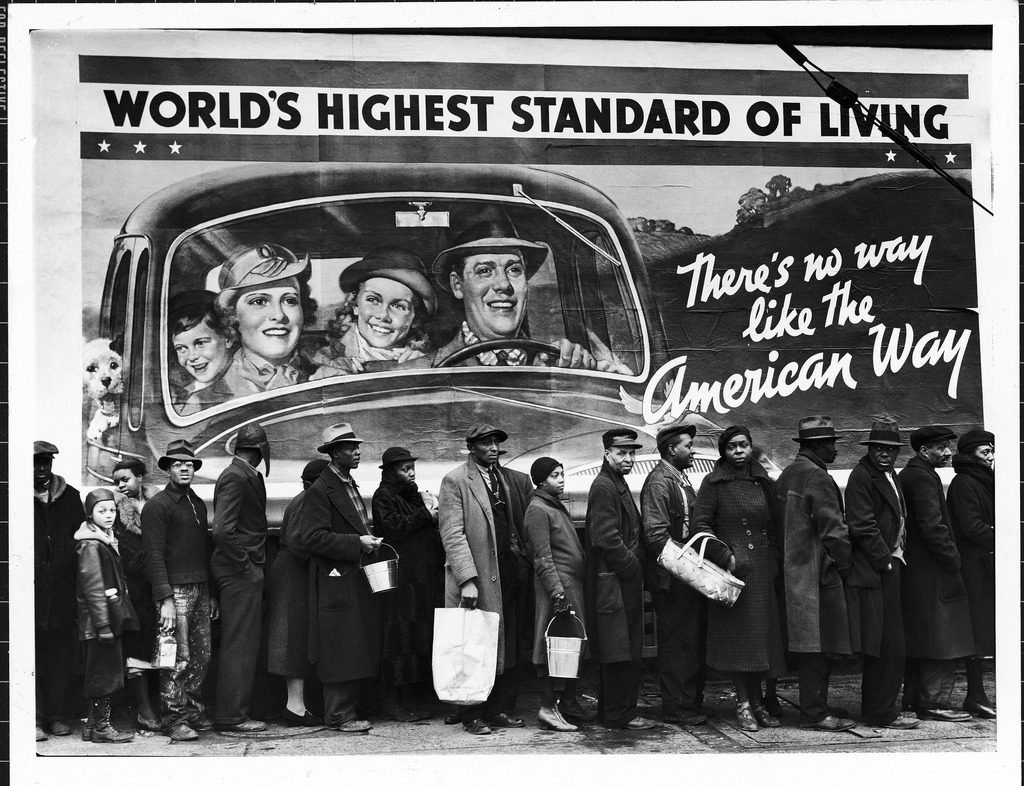
African American flood victims lined up to get food and clothing from a Red Cross relief station.
This is my favorite. This is simply an amazing image. This is all about looking up and seeing what is available to you as a photographer: a more potent juxtaposition could not be found, but it needed the eye of the photographer to really glue the ideal and the reality together. Outdoor natural lighting, large format camera.
1960’s-1980’s: Robert Frank. Quoted in the Washington Post, Frank said: “I was tired of romanticism. I wanted to present what I saw, pure and simple.” I wasn’t previously familiar with his work, but was grabbed by his guts and obvious sympathy with his subjects and this style of photography grabbing gritty shots with a 35mm SLR.
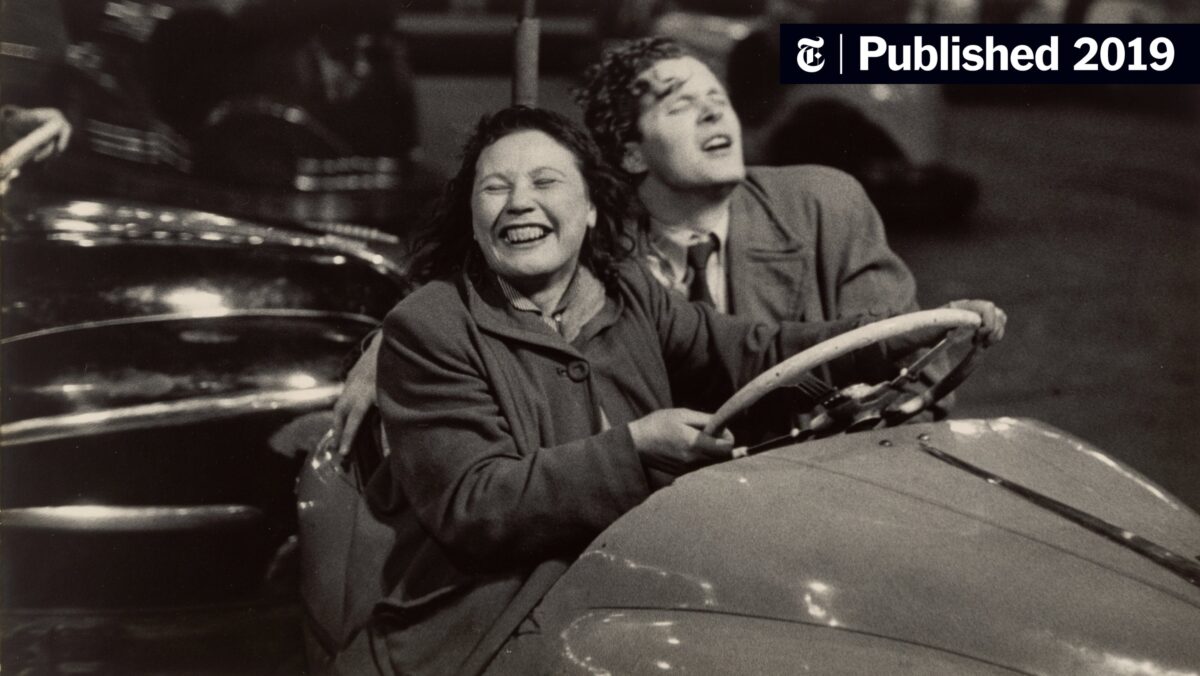
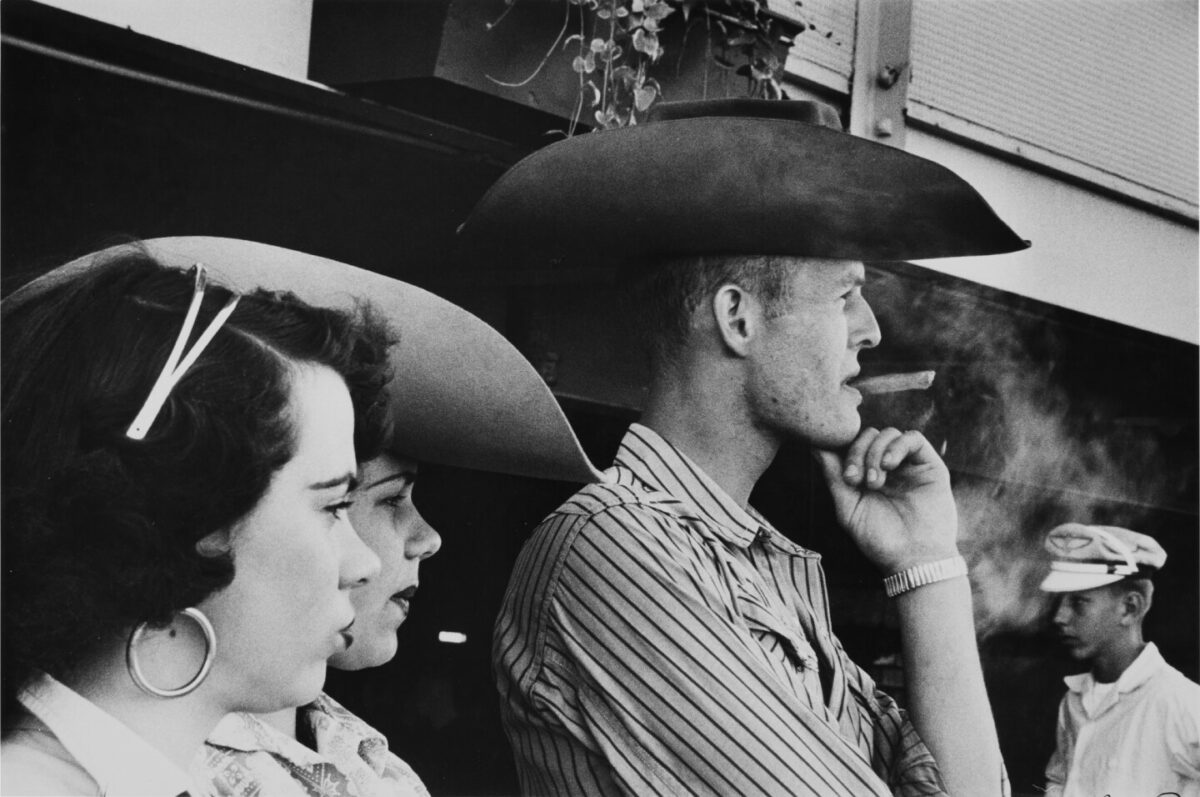
(Left) ‘Paris’ (Couple in a Bumper Car). (Right) Rodeo, Detroit.
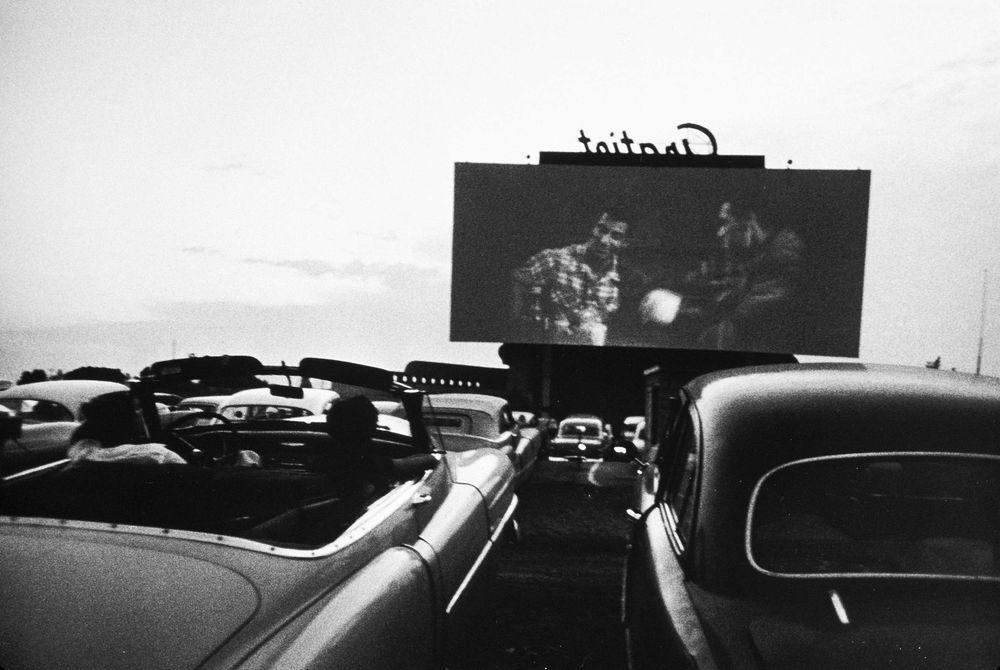
Drive-in movie, Detroit 1955. From The Americans © Robert Frank © Robert Frank
I chose this as my favorite for the off-centered-yet-balanced composition. A reminder that there are other kinds of symmetry available to us. The lines of the 2 cars point like an arrow to the figure on the screen, and the “moment’ that is captured provides a triple set of pairs: the couple in the open-top convertible, the two figures on the screen, and the two cars in the foreground. Early-evening light that catches on the chrome of the cars brings sharp foreground texture, the distant clouds still visible.
1990’s-PRESENT: Luis Tato. I wasn’t familiar with Louis Tato until I went searching for contemporary photojournalists. What caught my eye about his work is his capacity for capturing the moment, and his centering of the connection between the human and animal(s) (or insects) who are in a sense dancing together, a skill shown well in these three photos.
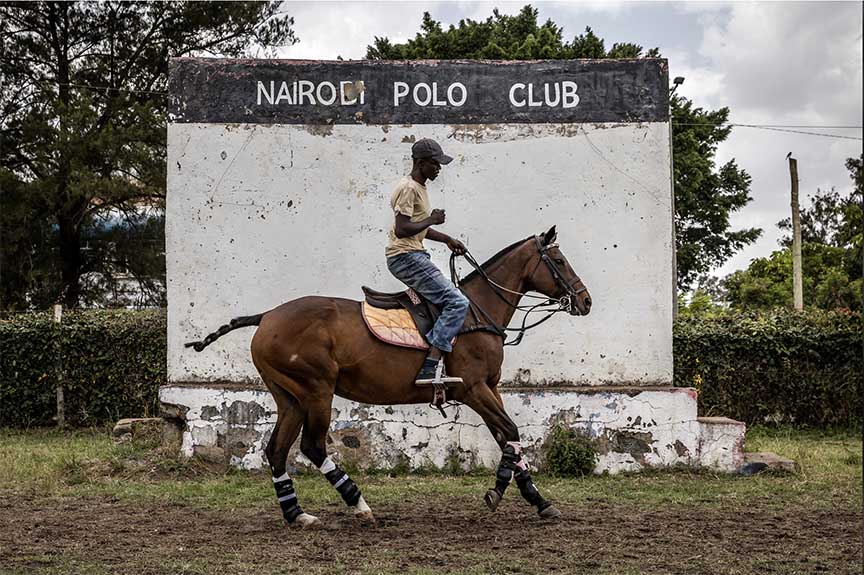
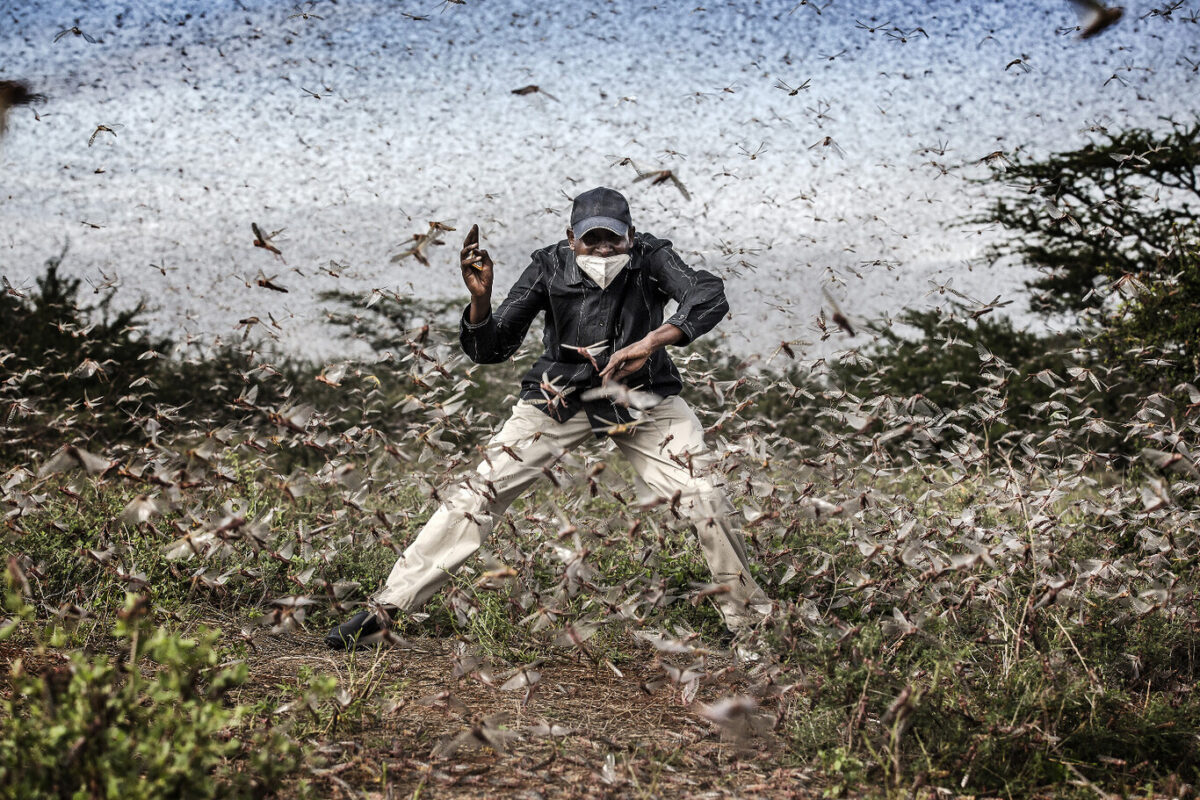
(Left) 2024 Nairobi Polo Club. (Right) 2021 – Henry Lenayasa, chief of the settlement of Archers Post, in Samburu County, Kenya, tries to scare away a massive swarm of locusts ravaging grazing area on 24 April.
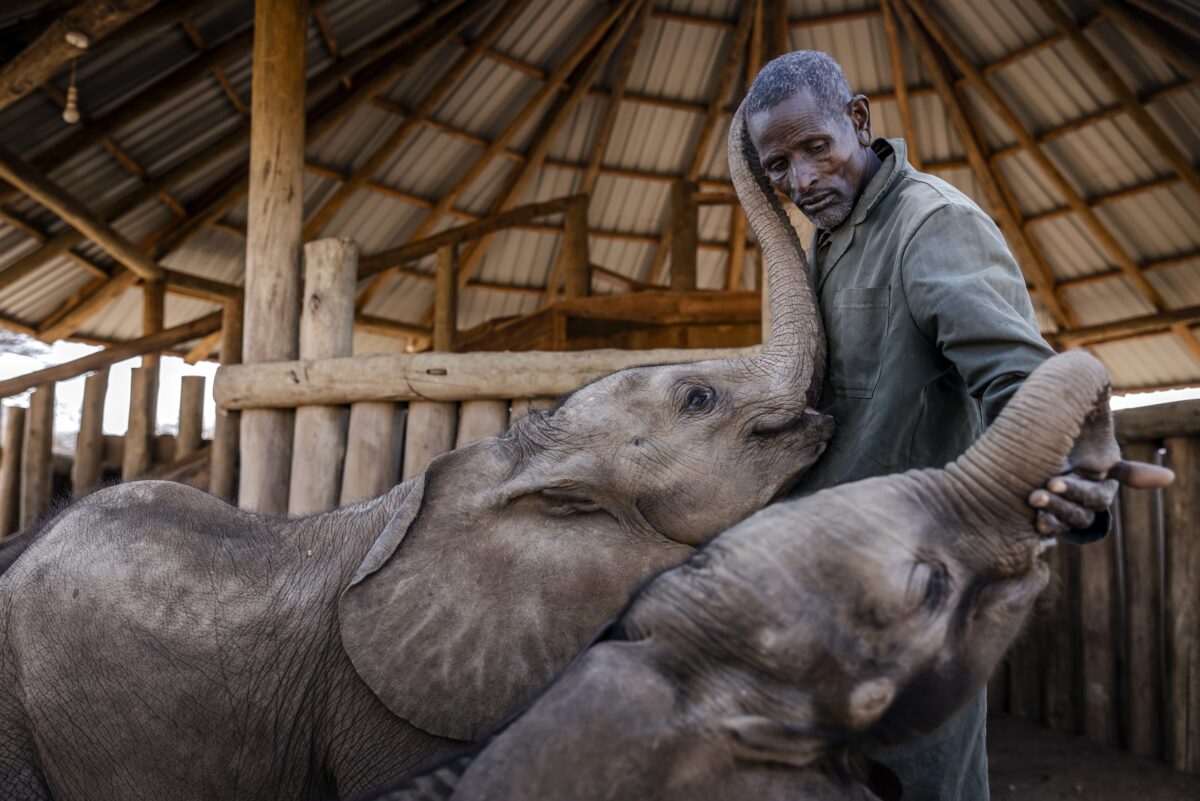
Elephant keeper Kiapi Lakupanai plays with two calves at Reteti Elephant Sanctuary in Namunyak Wildlife Conservancy, Samburu, Kenya on October 12, 2022.
This is my favorite. The lighting and the deep purple tones he picks up in the keeper’s skin that are carried through his shirt and the baby elephants. The framing is superb with the linear detail of the structure and the glimpse of sky balancing the off-center placement of the center of interest. And talk about capturing the perfect moment with the curling trunk caressing the side of the keeper’s face.
About Author